Fulfillment Center vs. Warehouse
What DTC Brands Need to Know Before They Outgrow Storage
Warehouses and fulfillment centers are often used interchangeably, but they serve very different purposes. This blog breaks down what each solution offers, how to identify when your current process is no longer keeping up with demand, and what growing brands should consider when evaluating a fulfillment partner.
To customers, it looks like magic.
They click “Buy Now,” and a few days later a package arrives at their door.
Behind that seemingly simple experience is a carefully orchestrated logistics operation involving inventory management, order processing, picking and packing, shipping coordination, returns handling, and more.
For growing direct-to-consumer (DTC) brands, managing those moving pieces can quickly become a challenge. What starts as a few shelves in the back room often evolves into pallets of inventory, mounting orders, and fulfillment demands that stretch your internal resources to the max.
That’s often the point when companies begin exploring third-party logistics (3PL) solutions and asking an important question: Do we need a bigger warehouse or a fulfillment center?
While both store inventory, their role in your supply chain and growth strategy is very different. Understanding the differences between a warehouse vs. a fulfillment center can help you determine which solution best supports your current needs and future growth.
What Is a Warehouse?
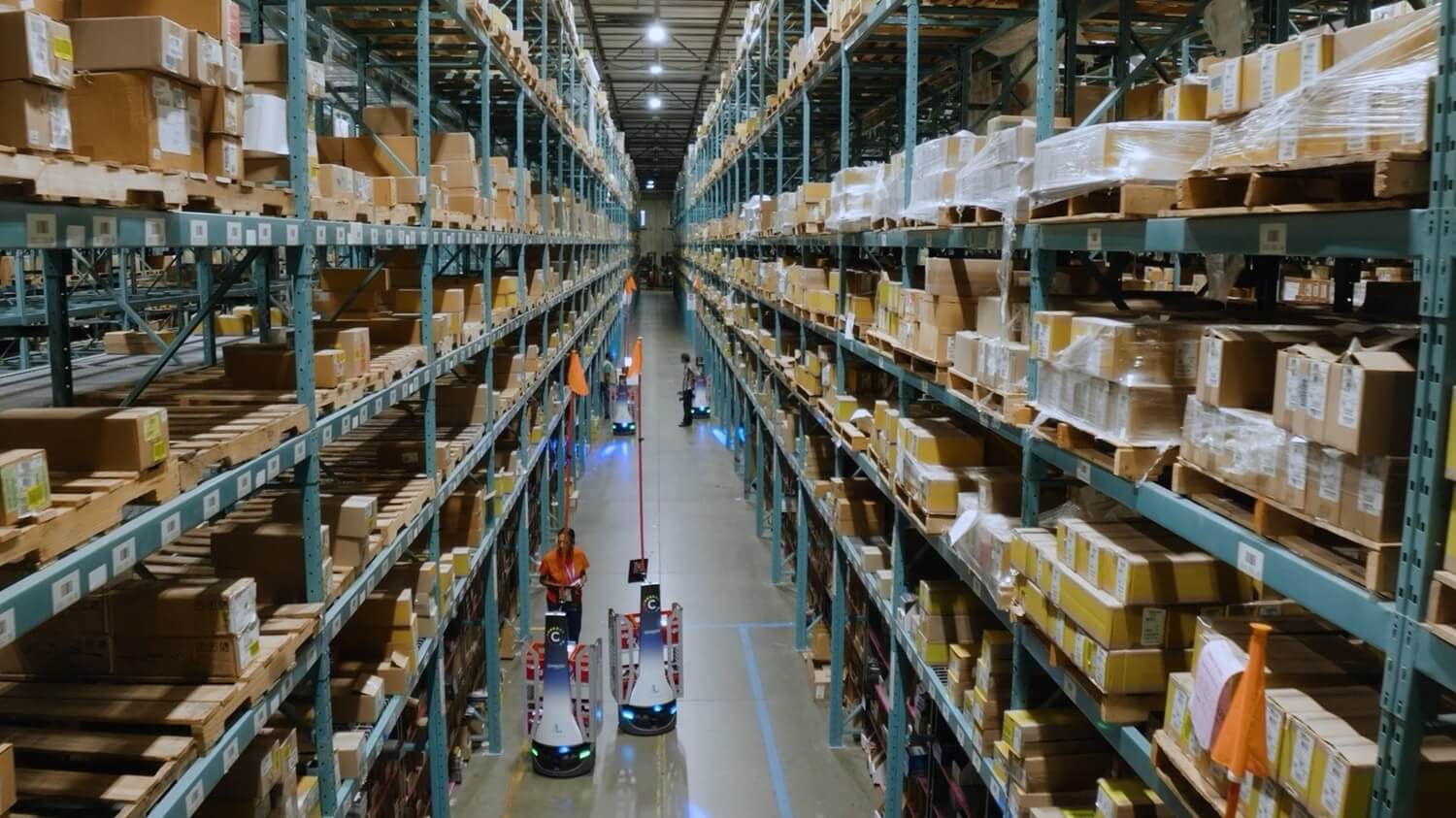
For a DTC brand, warehouses are designed primarily for inventory management and long-term storage. Products arrive, get organized, and stay there until they need to move somewhere else.
Warehouses are a practical solution for businesses that handle fulfillment themselves or move products in larger, less frequent shipments. So if your order volume is low, a warehouse might be a good option.
What Is a Fulfillment Center?
A fulfillment center goes beyond just warehouse fulfillment storage. It’s designed to keep inventory moving.
At its core, a fulfillment center answers a different question: How do we get the right product to the right customer as quickly and efficiently as possible?
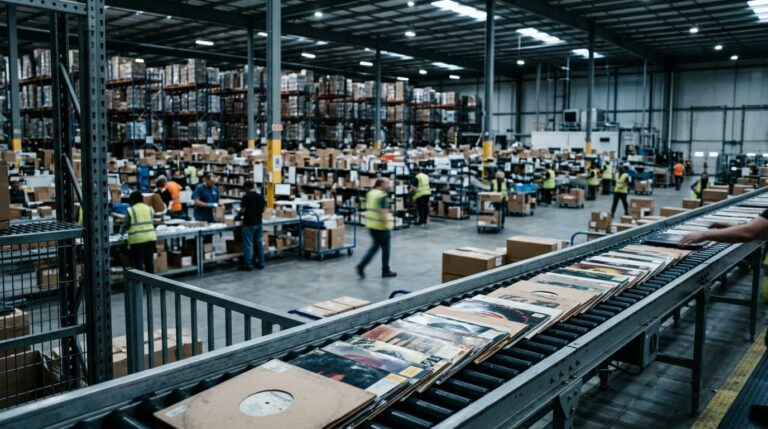
When a customer places an order, the fulfillment center manages the entire process from picking and packing to shipping, tracking, returns, and inventory management. Rather than simply storing products, fulfillment centers are built to support fast, accurate order fulfillment and deliver a seamless customer experience.
Warehouse Fulfillment vs. Fulfillment Center: Which One Do You Need?
The answer depends on what challenge you’re trying to solve.
If you simply need a place to store inventory, a warehouse fulfillment may be the right fit. It gives you the space to keep products organized and accessible while your team manages fulfillment.
But as your business grows, many companies discover that storage is only part of the equation.
At first, handling fulfillment in-house may feel manageable. Orders come in, products get packed, and shipments go out the door. Then demand starts to increase. A successful promotion, a new product launch, or a busy season brings more orders than usual. Suddenly, the process that once felt straightforward starts taking more time, more people, and more attention.
You may find yourself spending more time tracking inventory, answering shipping questions, managing returns, and troubleshooting fulfillment issues. Orders take longer to process, mistakes become more common, and your team spends less time focused on growing the business.
Signs Your Brand May Be Ready for Full-Service Fulfillment
- Orders take longer to ship
- Inventory counts get harder to trust
- Packing mistakes happen more often
- Returns start adding up
- Your team spends too much time manually checking order details
- Customer service gets pulled into fulfillment problems
- Growth starts requiring more work than momentum
How to Tell When It’s Time to Move Beyond Storage
If several of these challenges sound familiar, it may be time to look beyond storage alone.
That is often when companies start considering a fulfillment center. While a warehouse provides a place to store products, a fulfillment center helps manage the work that happens after an order is placed, helping products get to customers quickly and accurately.
Many businesses begin with a warehouse and move to a fulfillment center as order volume grows. The key is understanding what your business needs today and what it will need as demand continues to increase.
Start with the practical signs:
Orders are taking longer to ship.
If busy weeks keep creating delays, the process may need more support before customers start feeling the slowdown.
Inventory counts are getting harder to trust.
If the team has to keep checking shelves or updating spreadsheets by hand, inventory is already harder to manage than it should be.
Packing mistakes are happening more often.
Wrong items, missing items, and rushed packing issues are usually signs that the team is outgrowing the current process.
Returns are getting harder to manage.
If returned products sit too long, get counted wrong, or create confusion around what can be resold, returns need a clearer place in the workflow.
The team has to ask around for updates.
If people have to chase down what shipped, what is delayed, or what needs attention, your shipping process may be suffering from a lack of visibility.
Customer service gets pulled into fulfillment problems.
When your team spends more time tracking packages and resolving shipping issues than helping customers, do-it-yourself (DIY) fulfillment may be creating unnecessary distractions.
Growth starts requiring more work than momentum.
If every increase in sales creates more manual work and more stress, your fulfillment process may be struggling to keep up with your growth.
When these issues start showing up more often than not, the answer usually isn’t more storage space. It’s a fulfillment process that can handle growing order volume without creating more work, more mistakes, or more headaches for your team.
How do you get started with a fulfillment center?
Getting started with a fulfillment center begins with understanding how your products move today and where bottlenecks are slowing things down.
A fulfillment partner will work with you to understand your inventory, order volume, sales channels, shipping requirements, and any unique needs such as kitting, subscription boxes, or custom packaging. This helps create a fulfillment process that fits your business rather than forcing your business to fit a standard fulfillment process.
Once the onboarding plan is in place, inventory is transferred to the fulfillment center and organized within the warehouse management system. Ecommerce platforms, marketplaces, and other order systems such as Shopify are connected so orders can flow directly to your third-party fulfillment team.
From there, the process becomes seamless. When an order is placed, your fulfillment partner receives the order information, picks the correct products, packs them according to your specifications, and ships them to the customer. Inventory levels are updated automatically, tracking information is shared, and returns can be managed through the same process.
As your business grows, the fulfillment operation can scale alongside it. Whether you’re launching a new product, preparing for a busy season, or experiencing unexpected demand, having the right fulfillment partner in place can help ensure orders continue moving without adding more work to your internal team.
When Storage Isn’t the Only Challenge
For many growing brands, the question isn’t whether they need inventory storage. It’s whether they have the fulfillment process in place to support the next stage of growth.
If your team is spending more time managing orders, tracking inventory, handling returns, and solving shipping issues than focusing on customers and growth, it may be time to consider a fulfillment partner.
Conectiv helps DTC brands manage the day-to-day work of fulfillment, including inventory management, order processing, shipping, returns, and distribution. With the right systems and support in place, your team can spend less time troubleshooting logistics and more time building the business.
Whether you’re preparing for growth, navigating seasonal demand, or simply looking for a more efficient way to fulfill orders, Conectiv can help you build a fulfillment strategy that grows with your brand. See How Conectiv Can Support Your Growth
Frequently Asked Questions About 3PL Fulfillment Centers
Is a fulfillment center worth it for a small business?
It depends on your order volume, available resources, and growth goals. Some small businesses successfully manage fulfillment in-house, while others find that outsourcing fulfillment helps them save time, improve shipping performance, and focus on sales, marketing, and customer relationships.
Is a fulfillment center the same as a 3PL?
Not exactly. A third-party logistics (3PL) provider is a company that offers logistics services, while a fulfillment center is one of the facilities a 3PL may operate. Many 3PLs provide fulfillment services that include inventory storage, order processing, shipping, returns management, and distribution.
Can a fulfillment center help reduce shipping costs?
In many cases, yes. Fulfillment centers often have established relationships with shipping carriers and may be able to negotiate better rates than individual businesses can secure on their own. Strategically located fulfillment centers can also reduce transit times and shipping zones, which may help lower transportation costs.
What should I look for in a fulfillment partner?
When evaluating a fulfillment partner, consider factors such as technology integrations, inventory visibility, shipping capabilities, scalability, reporting, returns management, and customer support. The right partner should be able to support your current order volume while providing the flexibility to grow alongside your business.