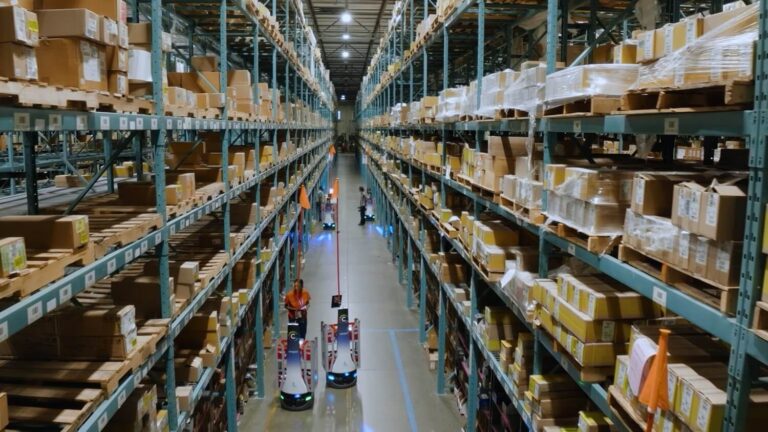
B2B Fulfillment
Conectiv helps keep the moving pieces behind B2B fulfillment organized, compliant, and on track, so orders arrive the way retailers and partners expect.
B2B Fulfillment: More Than Shipping a Pallet
Conectiv’s B2B fulfillment services cover the work that helps products move into retail, wholesale, and B2B distribution. Orders are prepared based on destination requirements, receiving expectations, and delivery timelines.
Retail Fulfillment
Orders are prepared for retail partners, including big box retailers, boutique shops, and other store channels with specific receiving requirements.
Wholesale Fulfillment
Larger orders are prepared, packed, routed, and shipped to wholesale partners, distributors, or other business destinations.
Direct-to-Store Delivery
Products can move directly to store locations when a retail program needs store-level delivery instead of a centralized distribution center.
Distribution Center Shipments
Bulk orders can be prepared for retailer distribution centers, warehouses, or other business receiving points.
Retail Compliance
Routing guides, labels, carton details, documents, delivery requirements, and shipment instructions are managed so orders are prepared the way retail partners expect.
Shipment Visibility
Shipment status, reporting, EDI/API connections, and proof-of-delivery details help teams see what is moving, what has arrived, and what needs attention.
When Retail Orders Come With More Rules
Retail and wholesale orders often come with more rules attached. A shipment may need specific labels, carton setup, pallet details, delivery appointments, routing instructions, EDI documents, or proof of delivery before the receiving team can accept and process it.
B2B fulfillment gets harder when:
- Retailers have different routing guides
- Orders need to move to both stores and distribution centers
- Labels, cartons, pallets, or documents need to meet specific requirements
- Delivery appointments or launch windows leave little room for mistakes
- Shipment status and proof of delivery need to stay visible
- Internal teams spend too much time checking requirements, fixing issues, or following up on orders
The right B2B fulfillment process handles those requirements before the order reaches the receiving dock.

How Conectiv Supports B2B Fulfillment
Wholesale and retail fulfillment come with a long list of requirements. Conectiv manages the details behind routing guides, shipment questions, and delivery requirements so your team isn’t left sorting through them on its own.

Retail Requirements
Retail orders often come with specific rules before products can move. Conectiv manages the packing, labeling, routing, and document details that help shipments arrive the way retailers expect.

Store and DTC Shipments
Some B2B orders go straight to store locations. Others move through retailer distribution centers, wholesale partners, or business receiving points. Each shipment is prepared around the destination, order size, and delivery requirements involved.

Launch and Replenishment Support
Retail launches, seasonal programs, and replenishment orders can create a lot of movement at once. Conectiv supports that pace with fulfillment and distribution work built around timing, volume, and follow-through.
Delivery Visibility
Your team should not have to wonder whether a shipment moved, arrived, or needs attention. Shipment status, reporting, and proof of delivery help teams access the information they need when questions come up.

Less Retail Follow-Up
When B2B fulfillment is handled through a clear process, your team can spend less time confirming shipments, checking requirements, answering delivery questions, and fixing avoidable issues.
Who B2B Fulfillment Is Built For
B2B fulfillment supports different types of brands, but it becomes most valuable when retailer requirements, wholesale orders, compliance details, and delivery expectations start becoming difficult to manage internally.
Brands Expanding Into Retail
A growing brand lands its first major retail account and suddenly needs to meet routing guides, labeling requirements, and distribution center delivery standards. A structured B2B fulfillment process helps ensure orders arrive the way retail partners expect.
Teams Managing Multiple Retail Partners
One retailer requires pallet labels, another requires specific carton markings, and a third has strict delivery windows. Consistent processes help manage those requirements without forcing internal teams to track every detail manually.
Companies With Recurring Wholesale Orders
Wholesale customers often place larger orders with specific quantities, schedules, and receiving requirements. Established fulfillment processes help keep replenishment orders moving accurately and on time.
Brands Preparing for Launches or Seasonal Programs
A retail launch, promotional campaign, or seasonal program can create a surge in orders with little room for delays. Additional capacity and operational support help keep programs on schedule when demand increases.
Brands Balancing DTC and B2B
Products are moving to customers, retailers, B2B distributors, and wholesale partners at the same time. A connected fulfillment operation helps support multiple order types without creating separate processes for each channel.

The Difference Between Shipped and Accepted
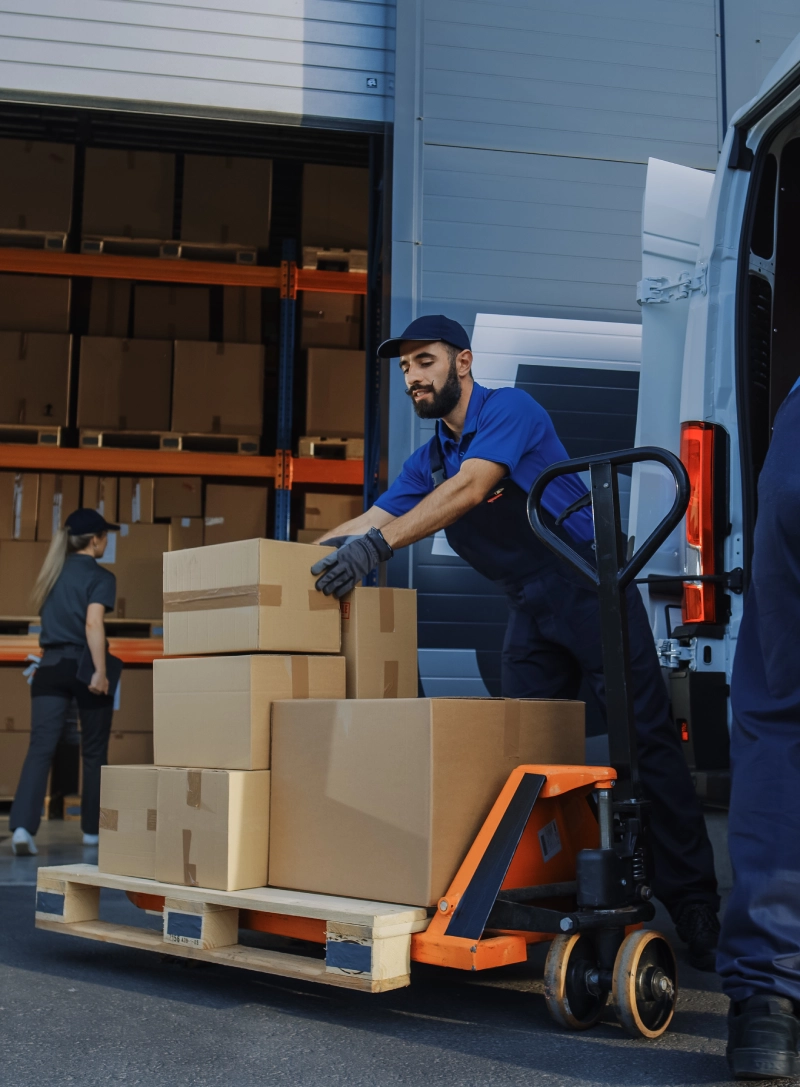
Getting a B2B order out the door is only one part of the job. Retailers, wholesalers, and distribution centers still need the right routing, labels, documents, timing, and delivery proof before the shipment can be accepted.
Conectiv delivers to more than 9,500 big box retail locations every day, giving the team firsthand experience with the requirements that often determine whether a shipment gets accepted or rejected. From direct-to-store delivery and distribution center shipments to retail compliance, visibility, and time-sensitive programs, Conectiv helps manage the details that keep orders moving.